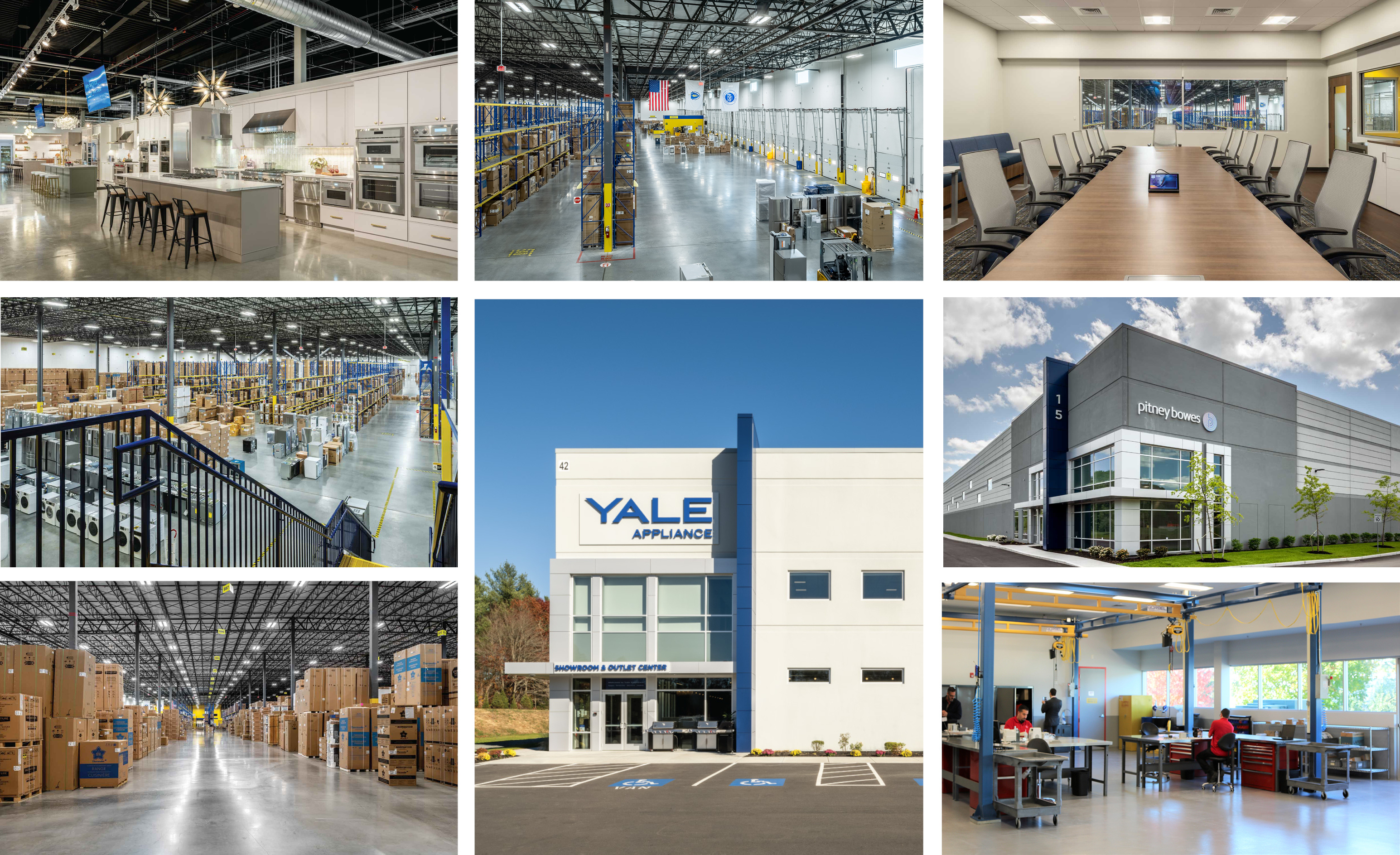
The industrial market continues to evolve as manufacturers, distributors, and other industrial users navigate rising construction costs, higher interest rates, supply chain considerations, and increasing demand for electrical power.
In the 2026 Industrial Review Spotlight published by the New England Real Estate Journal, Maugel DeStefano Architects Principal Mike Kunz shared his perspective on the factors shaping industrial development across the region. He discussed the continued strength of manufacturing and food and beverage facilities, the challenges facing project feasibility and schedules, and emerging opportunities in advanced manufacturing and data centers.
Below is the Q&A as published in the New England Real Estate Journal.
What projects, initiatives, or types of work have been keeping your team busiest during the first half of 2026?
Several market factors are influencing industrial development. One of the biggest challenges is electrical power availability. Many industrial users, particularly manufacturers and technology-driven operations, require significant electrical capacity, and utility constraints can delay projects even after approvals are in place. At the same time, ongoing trade and tariff uncertainty is making some companies more cautious about expanding or committing to long-term leases because of the unknown impact on supply chains and operating costs. Higher interest rates also continue to affect the market by increasing the cost of financing new development, leading some projects to be postponed while owners and developers evaluate their options.
What trends or shifts have stood out most to you so far this year within your industry?
We’re seeing continued demand for facilities that support food and beverage production and distribution, as companies modernize their supply chains and expand regional distribution networks. Manufacturing also remains an active market for us, particularly projects that require specialized building systems and efficient production environments. Our work on facilities like REXA reflects the ongoing investment in advanced manufacturing throughout the region.
What challenges or opportunities have had the biggest impact on your business during the first half of 2026?
The combination of rising construction costs, higher labor expenses, elevated interest rates, and limited power availability continues to present challenges for industrial clients. These factors can significantly affect project feasibility, schedules, and budgets, requiring careful planning early in the design and development process to identify cost-effective solutions and minimize delays.
As we look ahead to the second half of the year, what are you watching most closely?
We see strong opportunities in advanced manufacturing, where companies continue to invest in modern, highly efficient production facilities. Data centers also represent a growing opportunity as demand for digital infrastructure increases, although power availability will remain a critical factor in determining where these facilities can be developed. As companies continue to strengthen domestic manufacturing and regional supply chains, we expect sustained demand for well-designed industrial facilities that can adapt to evolving operational needs.